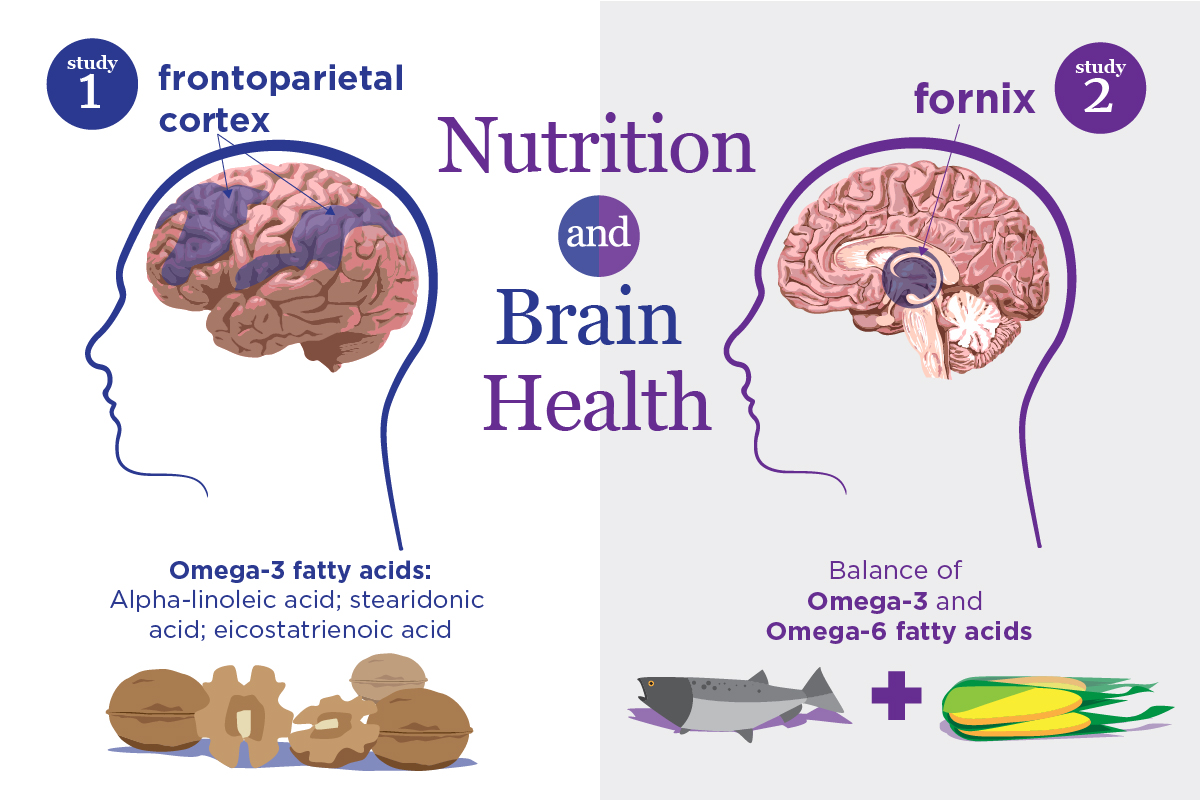
Omega-3 fatty acids are among the most important nutrients for maintaining a healthy brain. They play a vital role in brain development, memory, learning, and overall cognitive function. Since the human body cannot produce enough omega-3s on its own, they must be obtained through food or supplements.
Including omega-3-rich foods in your diet can support brain health at every stage of life, from childhood to older adulthood. Here’s how omega-3 fatty acids benefit the brain and where you can find them naturally.
What Are Omega-3 Fatty Acids?
Omega-3s are a group of healthy polyunsaturated fats that are essential for good health. The three main types are:
- DHA (Docosahexaenoic Acid): A major structural fat found in the brain and eyes.
- EPA (Eicosapentaenoic Acid): Supports heart health and helps regulate inflammation.
- ALA (Alpha-Linolenic Acid): A plant-based omega-3 found in seeds and nuts that the body can convert into small amounts of DHA and EPA.
DHA is especially important because it makes up a significant portion of the brain’s fat content.
1. Supports Brain Development
Omega-3 fatty acids are essential during pregnancy and childhood because they contribute to healthy brain growth and development. DHA plays an important role in forming brain cells and supporting the nervous system.
2. Improves Memory
Research suggests that omega-3s may help support memory by maintaining healthy brain cell membranes and improving communication between nerve cells. Including omega-3-rich foods in your diet may help support learning and information retention.
3. Enhances Concentration and Focus
The brain requires healthy fats to function efficiently. Omega-3 fatty acids support normal brain activity, which may help improve concentration, attention, and mental performance throughout the day.
4. Supports Learning Ability
Healthy brain cells communicate more effectively when they have the nutrients they need. Omega-3s contribute to efficient nerve signaling, which supports learning and problem-solving skills.
5. Helps Protect Brain Cells
Omega-3 fatty acids have anti-inflammatory properties that may help protect brain cells from damage. They also support healthy blood flow, ensuring the brain receives oxygen and nutrients.
6. Supports Healthy Aging
As people grow older, maintaining brain health becomes increasingly important. Some studies suggest that consuming enough omega-3 fatty acids as part of a balanced diet may help support cognitive function during aging.
7. May Support Mood and Mental Well-Being
Omega-3s are involved in the normal function of brain cells that influence mood. While they are not a treatment for mental health conditions, getting enough omega-3s through your diet may contribute to overall emotional well-being.
Best Food Sources of Omega-3
Adding these foods to your weekly meals can help increase your omega-3 intake naturally:
Fatty Fish
- Salmon
- Sardines
- Mackerel
- Trout
- Herring
Plant-Based Sources
- Chia seeds
- Flaxseeds
- Walnuts
- Hemp seeds
Other Sources
- Omega-3 fortified eggs
- Soybeans
- Canola oil
Aim to include fatty fish in your diet at least two times per week. If you follow a vegetarian or vegan diet, plant-based sources can help provide ALA.
Tips to Increase Omega-3 Intake
Here are a few simple ways to include more omega-3s in your daily routine:
- Add ground flaxseeds to oatmeal or smoothies.
- Snack on a handful of walnuts.
- Eat grilled salmon or sardines for lunch or dinner.
- Sprinkle chia seeds over yogurt or cereal.
- Choose omega-3-enriched eggs when available.
Can You Take Omega-3 Supplements?
Some people may not eat enough omega-3-rich foods. In these cases, a healthcare professional may recommend omega-3 supplements, such as fish oil or algae-based supplements. However, supplements should not replace a healthy, balanced diet and should only be taken according to professional advice.
Conclusion
Omega-3 fatty acids are essential nutrients that play a key role in supporting brain function throughout life. They contribute to memory, concentration, learning, healthy brain development, and long-term cognitive health. Foods such as salmon, sardines, walnuts, chia seeds, and flaxseeds are excellent natural sources of omega-3s.
By including these nutrient-rich foods in your regular diet and maintaining a healthy lifestyle with exercise, quality sleep, and proper hydration, you can support your brain’s performance and overall well-being for years to come.