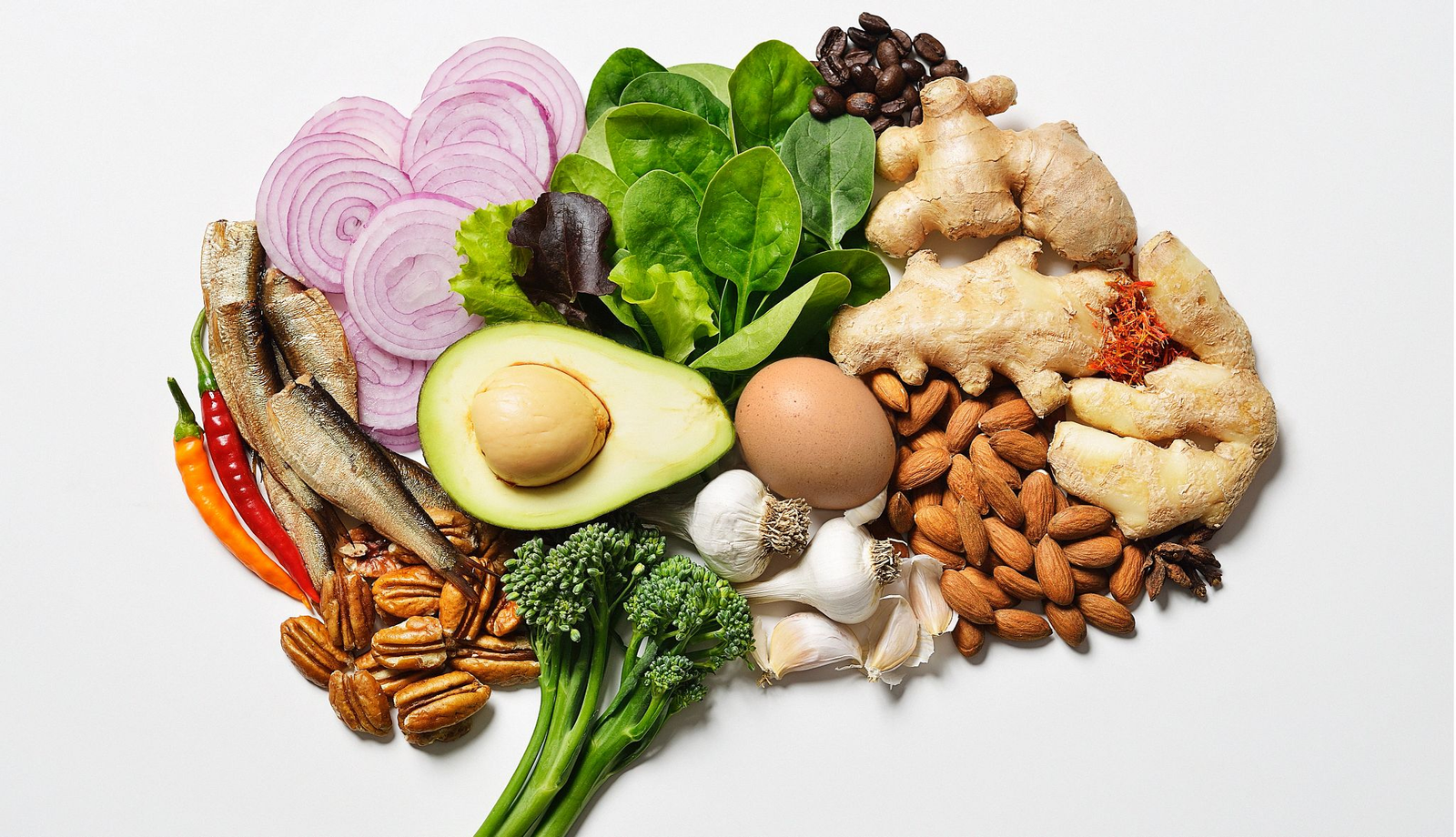
Eating a variety of vegetables is one of the best ways to support brain health naturally. Vegetables are packed with essential vitamins, minerals, antioxidants, and fiber that help protect brain cells, improve blood circulation, and support memory and concentration. A diet rich in vegetables can also reduce inflammation and provide the nutrients your brain needs to function at its best.
While no single vegetable can guarantee better brain performance, regularly including a colorful mix of vegetables in your meals can contribute to long-term cognitive health.
Here are 12 of the best vegetables that support brain health.
1. Spinach
Spinach is one of the healthiest leafy green vegetables for the brain. It is rich in vitamin K, folate, vitamin E, and antioxidants that help protect brain cells and support memory.
Brain benefits:
- Supports memory and learning
- Rich in antioxidants
- Provides folate and vitamin K
Best way to eat: Add to salads, smoothies, soups, or omelets.
2. Broccoli
Broccoli contains vitamins C and K, fiber, and powerful antioxidants. It also provides compounds that help protect brain cells from oxidative stress.
Brain benefits:
- Supports cognitive function
- Rich in vitamin C
- Helps reduce oxidative stress
3. Kale
Kale is packed with vitamins A, C, and K, along with antioxidants that support healthy brain aging and protect nerve cells.
Brain benefits:
- Supports long-term brain health
- Rich in antioxidants
- Promotes healthy blood circulation
4. Carrots
Carrots are an excellent source of beta-carotene, which the body converts into vitamin A. They also contain antioxidants that help protect brain cells.
Brain benefits:
- Supports healthy brain cells
- Rich in antioxidants
- Helps maintain overall cognitive health
5. Bell Peppers
Red, yellow, and orange bell peppers are loaded with vitamin C, one of the most important antioxidants for brain health.
Brain benefits:
- Protects brain cells
- Supports neurotransmitter production
- Strengthens the immune system
6. Brussels Sprouts
Brussels sprouts provide vitamin K, folate, fiber, and antioxidants that support healthy brain function and overall wellness.
Brain benefits:
- Supports memory
- Rich in essential nutrients
- Helps fight oxidative stress
7. Tomatoes
Tomatoes contain lycopene, a powerful antioxidant that may help protect brain cells from damage caused by free radicals.
Brain benefits:
- Rich in antioxidants
- Supports healthy aging
- Helps protect brain cells
8. Sweet Potatoes
Sweet potatoes are rich in beta-carotene, vitamin C, fiber, and complex carbohydrates that provide steady energy for the brain.
Brain benefits:
- Supports concentration
- Provides lasting energy
- Rich in antioxidants
9. Beets
Beets contain natural nitrates that may help improve blood flow throughout the body, including the brain. Healthy circulation supports mental performance and concentration.
Brain benefits:
- Supports healthy blood flow
- May improve focus
- Rich in antioxidants
10. Cauliflower
Cauliflower provides vitamin C, vitamin K, and choline, a nutrient that supports memory and healthy brain cell communication.
Brain benefits:
- Supports learning and memory
- Rich in nutrients
- Helps maintain brain function
11. Asparagus
Asparagus is an excellent source of folate, which plays an important role in healthy brain development and nerve function.
Brain benefits:
- Supports cognitive health
- Rich in folate
- Helps maintain healthy nerve cells
12. Mushrooms
Many edible mushrooms contain B vitamins, selenium, and antioxidants that support brain health and overall wellness.
Brain benefits:
- Supports nerve function
- Rich in antioxidants
- Provides essential minerals
Why Vegetables Are Important for Brain Health
Vegetables supply many nutrients that help your brain function efficiently, including:
- Vitamin C
- Vitamin K
- Folate
- Vitamin E
- Potassium
- Magnesium
- Fiber
- Antioxidants
These nutrients help protect brain cells, reduce inflammation, and support memory, learning, and concentration.
Tips for Eating More Vegetables
Including more vegetables in your meals doesn’t have to be difficult. Try these simple ideas:
- Add spinach to smoothies or omelets.
- Include broccoli with lunch or dinner.
- Snack on carrot and bell pepper sticks.
- Roast a mix of colorful vegetables.
- Add tomatoes to sandwiches and salads.
- Prepare vegetable soups or stir-fries.
- Fill at least half your plate with vegetables at each meal.
Aim for a variety of colors to ensure you’re getting a wide range of nutrients.
Pair Vegetables with Other Brain-Healthy Foods
For a well-balanced diet, combine vegetables with foods such as:
- Salmon and other fatty fish
- Eggs
- Walnuts and almonds
- Whole grains
- Olive oil
- Avocados
- Blueberries
- Greek yogurt
These combinations provide healthy fats, protein, vitamins, and minerals that work together to support brain function.
Healthy Lifestyle Habits for a Sharper Mind
In addition to eating vegetables, these habits can help keep your brain healthy:
- Stay hydrated by drinking plenty of water.
- Exercise regularly.
- Get 7–9 hours of quality sleep each night.
- Manage stress with relaxation techniques.
- Read books, solve puzzles, or learn new skills.
- Limit highly processed foods and sugary snacks.
Conclusion
Vegetables are an essential part of a brain-healthy diet. Spinach, broccoli, kale, carrots, bell peppers, Brussels sprouts, tomatoes, sweet potatoes, beets, cauliflower, asparagus, and mushrooms provide valuable nutrients that support memory, concentration, and overall cognitive function.
By eating a variety of colorful vegetables every day and combining them with other healthy foods and lifestyle habits, you can help keep your brain sharp, improve mental clarity, and support long-term brain health.