The Mediterranean diet is widely recognized as one of the healthiest eating patterns in the world. Inspired by the traditional diets of countries bordering the Mediterranean Sea, this way of eating focuses on whole, natural foods that provide essential nutrients for the body and brain.
Research suggests that following a Mediterranean-style diet may support memory, concentration, and overall cognitive function. While no diet can guarantee perfect brain health, consistently eating nutrient-rich foods can help protect brain cells and promote healthy aging.
In this guide, you’ll learn how the Mediterranean diet benefits the brain, which foods to eat, and simple tips for getting started.
What Is the Mediterranean Diet?
The Mediterranean diet is not a strict meal plan but a healthy eating pattern that emphasizes:
- Fruits and vegetables
- Whole grains
- Beans and legumes
- Nuts and seeds
- Olive oil
- Fish and seafood
- Moderate amounts of dairy
- Herbs and spices
- Plenty of water
It also encourages limiting highly processed foods, sugary snacks, refined grains, and excessive red meat.
Why Is the Mediterranean Diet Good for Brain Health?
The Mediterranean diet provides nutrients that help support healthy brain function, including:
- Omega-3 fatty acids
- Antioxidants
- Fiber
- Healthy monounsaturated fats
- Vitamins and minerals
- Plant-based compounds that help reduce inflammation
Together, these nutrients may support memory, learning, concentration, and healthy brain aging.
1. Rich in Healthy Fats
Unlike diets high in saturated fats, the Mediterranean diet emphasizes healthy fats from olive oil, nuts, seeds, and fatty fish.
These fats support healthy blood circulation, helping deliver oxygen and nutrients to the brain while maintaining healthy brain cell membranes.
2. Packed with Antioxidants
Colorful fruits and vegetables such as blueberries, tomatoes, spinach, oranges, and peppers are rich in antioxidants.
These compounds help protect brain cells from oxidative stress, which can contribute to aging and cognitive decline over time.
3. Supports Memory and Learning
Fatty fish like salmon, sardines, and trout provide omega-3 fatty acids, particularly DHA, an important structural component of brain cells.
Regularly eating omega-3-rich foods may support memory, learning, and overall cognitive performance.
4. Helps Maintain Steady Energy
Whole grains such as oats, brown rice, whole wheat bread, and quinoa provide slow-releasing carbohydrates.
Unlike refined grains, whole grains help maintain stable blood sugar levels, giving your brain a steady source of energy throughout the day.
5. May Support Healthy Aging
The Mediterranean diet is associated with long-term health benefits, including better heart health. Since the brain relies on healthy blood vessels for oxygen and nutrients, supporting cardiovascular health also benefits cognitive function.
Best Foods to Eat
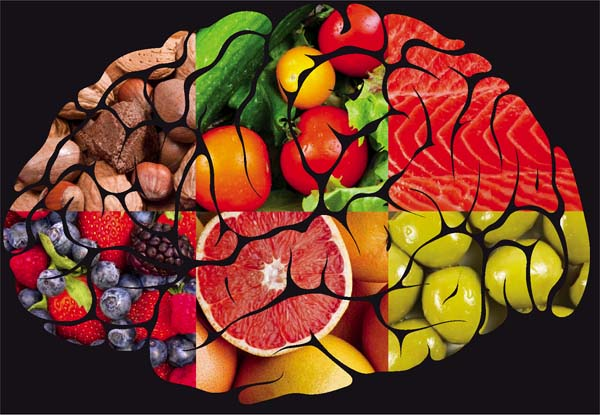
A brain-friendly Mediterranean diet includes plenty of these nutritious foods:
Fruits
- Blueberries
- Strawberries
- Oranges
- Apples
- Grapes
Vegetables
- Spinach
- Kale
- Broccoli
- Tomatoes
- Bell peppers
Healthy Fats
- Extra virgin olive oil
- Avocados
- Walnuts
- Almonds
- Pumpkin seeds
Protein Sources
- Salmon
- Sardines
- Trout
- Beans
- Lentils
- Chickpeas
- Eggs
Whole Grains
- Oats
- Brown rice
- Quinoa
- Whole-grain bread
- Whole-wheat pasta
Dairy
- Plain yogurt
- Cheese in moderation
Foods to Limit
For better brain health, try to reduce your intake of:
- Sugary drinks
- Candy and desserts
- Fried foods
- Highly processed snacks
- Processed meats
- Refined white bread
- Excessive red meat
Choosing whole, minimally processed foods most of the time can support both brain and overall health.
Sample Mediterranean Diet Meal Plan
Breakfast
- Oatmeal topped with blueberries, walnuts, and chia seeds
- Green tea
Lunch
- Grilled salmon
- Brown rice
- Mixed green salad with olive oil dressing
Snack
- Plain Greek yogurt with strawberries
- A handful of almonds
Dinner
- Lentil soup
- Whole-grain bread
- Steamed broccoli and roasted vegetables
Evening Snack
- Fresh fruit or a small handful of walnuts
Lifestyle Habits That Complement the Mediterranean Diet
The Mediterranean lifestyle is about more than food. For better brain health, combine this eating pattern with healthy daily habits:
- Exercise regularly.
- Get 7–9 hours of quality sleep.
- Stay hydrated.
- Manage stress through relaxation techniques.
- Spend time with family and friends.
- Keep your mind active by reading, learning, or solving puzzles.
These habits work together to support long-term cognitive well-being.
Conclusion
The Mediterranean diet is one of the best eating patterns for supporting brain health. By focusing on fruits, vegetables, whole grains, healthy fats, fish, legumes, and nuts, it provides essential nutrients that help maintain memory, concentration, and overall cognitive function.
Although no diet can completely prevent cognitive decline, following a Mediterranean-style eating plan—combined with regular exercise, quality sleep, and healthy lifestyle habits—can help keep your brain healthy and functioning at its best throughout every stage of life.