Green tea has been enjoyed for centuries for its refreshing taste and potential health benefits. In recent years, it has also gained attention for its positive effects on brain health. Rich in antioxidants and natural plant compounds, green tea may help improve focus, memory, alertness, and overall cognitive function.
Although green tea is not a miracle drink, drinking it regularly as part of a healthy lifestyle may contribute to better mental performance and long-term brain health.
What Makes Green Tea Good for the Brain?
Green tea contains several natural compounds that support brain function, including:
- Catechins (powerful antioxidants)
- L-theanine
- Caffeine
- Polyphenols
- Vitamins and minerals
These nutrients work together to help protect brain cells, improve mental alertness, and support healthy cognitive function.
1. Improves Focus and Concentration
One of the biggest benefits of green tea is its ability to improve concentration. Green tea contains a moderate amount of caffeine, which helps increase alertness without the strong stimulation often associated with coffee.
This makes it an excellent beverage for studying, working, or completing tasks that require sustained attention.
2. Promotes Calm Alertness
Unlike many caffeinated drinks, green tea also contains L-theanine, an amino acid that promotes relaxation while helping you stay mentally alert.
The combination of caffeine and L-theanine may improve attention, reaction time, and productivity while reducing feelings of nervousness.
3. Supports Memory
Research suggests that the natural compounds in green tea may help support memory by improving communication between brain cells and protecting them from oxidative stress.
Although more research is needed, drinking green tea as part of a balanced diet may contribute to healthy cognitive function.
4. Rich in Antioxidants
Green tea is packed with antioxidants known as catechins. These compounds help protect brain cells from damage caused by free radicals.
Reducing oxidative stress may support healthy brain aging and help maintain cognitive performance over time.
5. May Help Reduce Mental Fatigue
Many people experience mental tiredness after long hours of studying or working. Green tea provides gentle stimulation that may help reduce fatigue and improve mental clarity without causing the rapid energy crashes often linked to sugary beverages.
6. Supports Healthy Blood Flow
Healthy circulation is important because the brain relies on a constant supply of oxygen and nutrients. Some research suggests that the natural compounds in green tea may support healthy blood vessel function, which benefits overall brain health.
7. May Support Mood
Green tea may also contribute to emotional well-being. The calming effects of L-theanine may help reduce everyday stress and promote relaxation, making it easier to stay focused and productive.
Additional Health Benefits of Green Tea
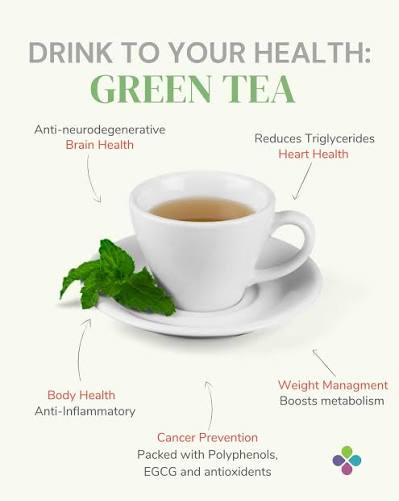
Besides supporting brain function, green tea offers several other health benefits:
- Rich in antioxidants
- Supports heart health
- May aid healthy weight management
- Helps maintain healthy blood sugar levels
- Supports immune function
- Promotes overall wellness
These benefits make green tea a healthy choice for many people.
How Much Green Tea Should You Drink?
Most healthy adults can enjoy 2 to 4 cups of green tea per day as part of a balanced diet.
If you are sensitive to caffeine, consider limiting your intake later in the day to avoid affecting your sleep.
Tips for Drinking Green Tea
To get the most from green tea:
- Brew with hot, not boiling, water.
- Avoid adding excessive sugar.
- Pair it with healthy meals or snacks.
- Drink it in the morning or early afternoon.
- Choose high-quality green tea leaves or tea bags.
Foods That Work Well with Green Tea
Green tea pairs well with many brain-friendly foods, including:
- Blueberries
- Walnuts
- Almonds
- Oatmeal
- Whole-grain toast
- Eggs
- Avocados
- Fresh fruit
Together, these foods provide nutrients that support memory, focus, and long-term brain health.
Healthy Habits for Better Brain Function
For the best results, combine green tea with other healthy lifestyle habits:
- Eat a balanced diet rich in fruits and vegetables.
- Stay hydrated by drinking plenty of water.
- Exercise regularly.
- Get 7–9 hours of quality sleep each night.
- Manage stress through relaxation techniques.
- Keep your brain active by reading, learning new skills, or solving puzzles.
Conclusion
Green tea is a nutritious beverage that may support brain health through its unique combination of antioxidants, caffeine, and L-theanine. It can help improve focus, concentration, memory, and mental clarity while promoting calm alertness.
While green tea is not a substitute for a healthy lifestyle, drinking it regularly alongside a balanced diet, regular exercise, proper hydration, and quality sleep can help keep your brain healthy and functioning at its best for years to come.