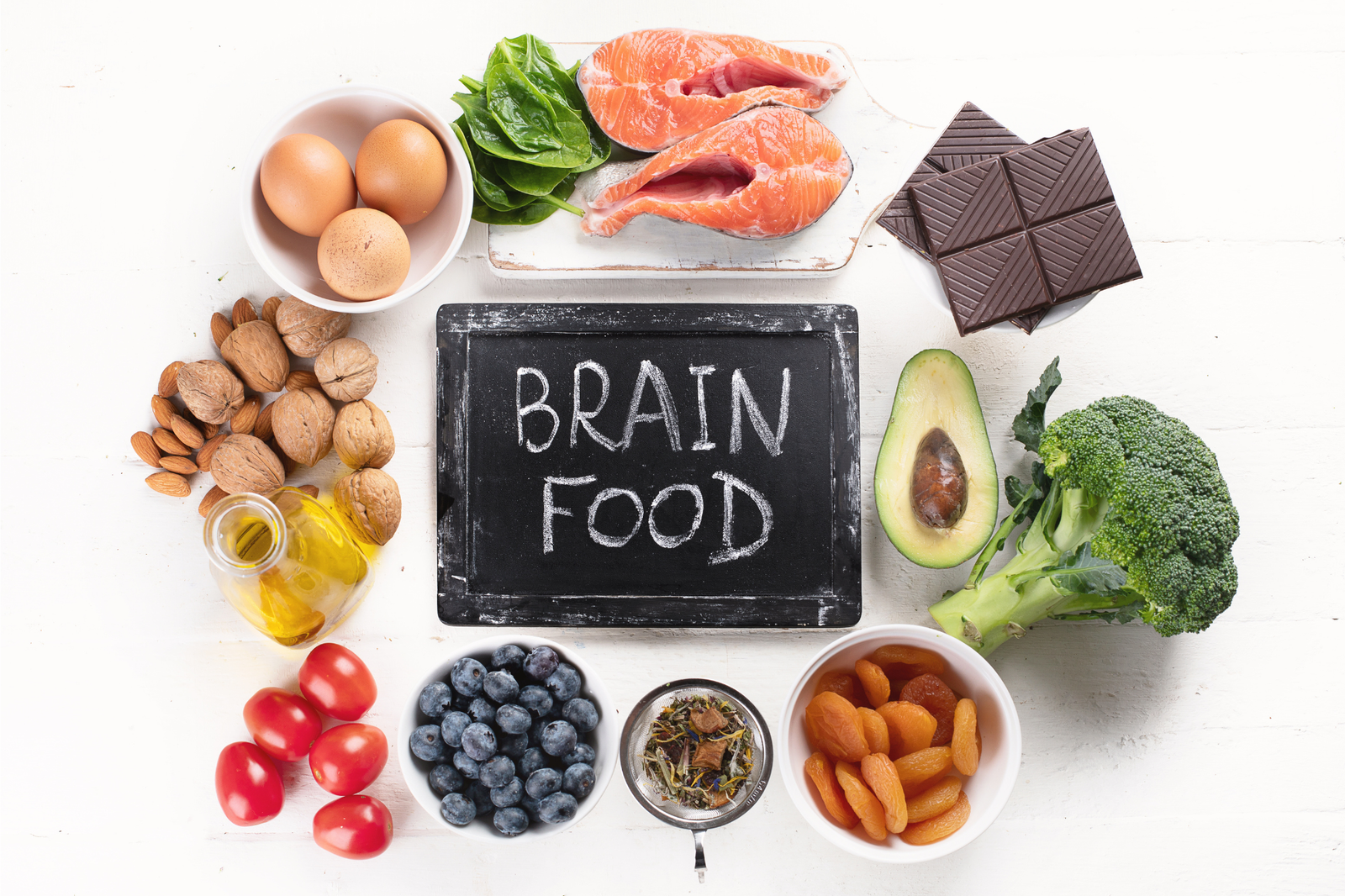
The food you eat has a direct impact on your brain’s ability to think, learn, and remember. Just as your body needs proper nutrition to stay healthy, your brain relies on essential vitamins, minerals, healthy fats, and antioxidants to function at its best. While there is no single “brain food,” following a balanced diet can help support memory, concentration, and long-term cognitive health.
In this guide, we’ll explore the best diet for brain health, the foods to include, and the eating habits that help keep your mind sharp.
Why Diet Matters for Brain Health
Your brain uses about 20% of your body’s energy, making it one of the most active organs. It needs a constant supply of nutrients to support communication between brain cells, maintain healthy blood flow, and protect against oxidative stress.
A nutrient-rich diet may help:
- Improve memory and learning
- Support concentration and focus
- Promote healthy brain aging
- Reduce inflammation
- Protect brain cells from damage
- Maintain steady energy levels throughout the day
Foods to Include in a Brain-Healthy Diet
1. Fatty Fish
Fatty fish such as salmon, sardines, trout, and mackerel are excellent sources of omega-3 fatty acids. These healthy fats help build brain cells and support memory, learning, and overall cognitive function.
2. Leafy Green Vegetables
Spinach, kale, broccoli, and other leafy greens provide vitamins K, C, E, and folate, along with antioxidants that help protect brain cells.
3. Berries
Blueberries, strawberries, and blackberries are rich in antioxidants that help reduce oxidative stress and support memory and concentration.
4. Whole Grains
Whole grains such as oats, brown rice, quinoa, and whole wheat bread provide slow-releasing carbohydrates that give your brain a steady supply of energy.
5. Nuts and Seeds
Walnuts, almonds, pumpkin seeds, chia seeds, and flaxseeds provide healthy fats, vitamin E, magnesium, and zinc, all of which support healthy brain function.
6. Eggs
Eggs are rich in protein and choline, an essential nutrient that helps produce neurotransmitters involved in learning and memory.
7. Avocados
Avocados contain healthy monounsaturated fats that support blood circulation, helping deliver oxygen and nutrients to the brain.
8. Yogurt and Fermented Foods
Yogurt contains probiotics that support gut health. Since the gut and brain are closely connected, maintaining a healthy digestive system may positively influence cognitive function.
9. Dark Chocolate
Dark chocolate with at least 70% cocoa contains flavonoids and antioxidants that may improve blood flow to the brain and support concentration when enjoyed in moderation.
10. Water
Hydration is essential for brain function. Even mild dehydration can affect concentration, memory, and mood. Drinking enough water throughout the day helps your brain perform efficiently.
The Mediterranean Diet and Brain Health
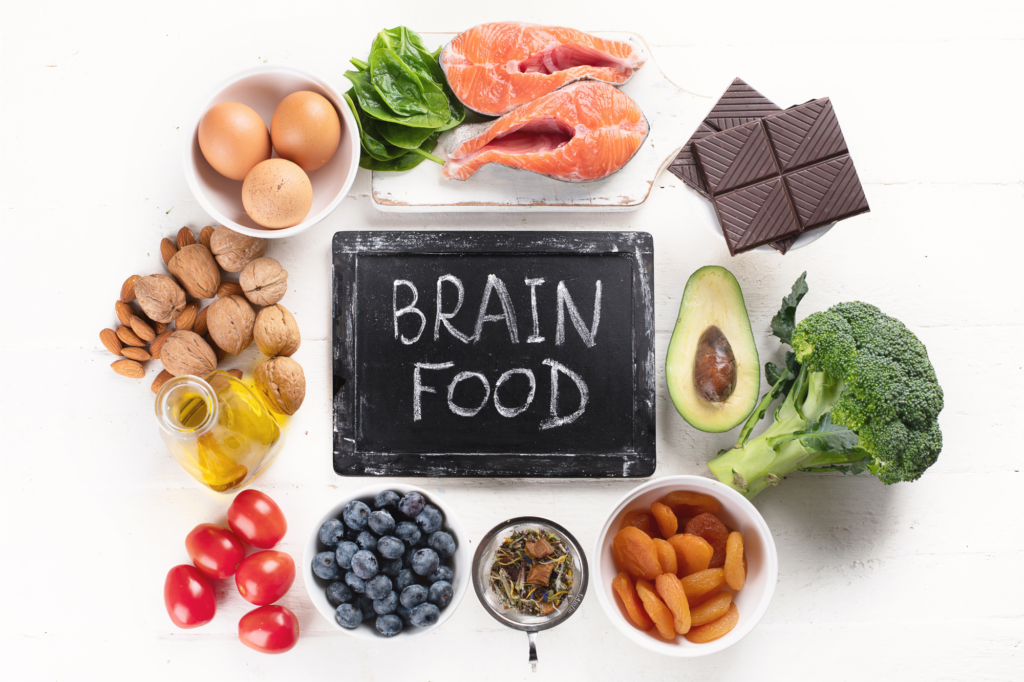
Many health experts consider the Mediterranean diet one of the best eating patterns for overall health, including brain health. It focuses on:
- Fruits and vegetables
- Whole grains
- Beans and legumes
- Fish and seafood
- Olive oil
- Nuts and seeds
- Moderate amounts of dairy
- Limited processed foods and added sugars
Research suggests that this balanced eating pattern may help support cognitive function and healthy aging.
Foods to Limit
Certain foods may contribute to energy crashes and poor overall health when consumed frequently. Try to limit:
- Sugary drinks
- Candy and desserts
- Processed snacks
- Fried foods
- Refined white bread
- Highly processed meats
- Excessive alcohol
Replacing these foods with whole, nutrient-rich options can support more stable energy and better concentration.
Sample Brain-Healthy Meal Plan
Breakfast
- Oatmeal topped with blueberries and walnuts
- A boiled egg
- Green tea
Lunch
- Grilled salmon
- Brown rice
- Steamed broccoli
- Mixed green salad
Snack
- Plain yogurt with fresh berries
- A handful of almonds
Dinner
- Grilled chicken or lentil curry
- Quinoa or whole-grain bread
- Spinach salad with olive oil dressing
This balanced meal plan provides protein, healthy fats, fiber, vitamins, and minerals that support brain health.
Healthy Lifestyle Habits
A nutritious diet works best when combined with healthy daily habits:
- Exercise regularly.
- Sleep for 7–9 hours each night.
- Stay hydrated.
- Manage stress through relaxation techniques.
- Read books or solve puzzles to keep your brain active.
- Avoid smoking and limit alcohol consumption.
These habits work together to support cognitive health throughout life.
Conclusion
The best diet for brain health is one that includes a variety of nutrient-rich foods such as fatty fish, leafy greens, berries, whole grains, nuts, seeds, eggs, and healthy fats. Following a balanced eating pattern, such as the Mediterranean diet, can help support memory, concentration, and long-term cognitive function.
Remember, no single food can guarantee better brain health. Consistently choosing nutritious meals, staying active, getting enough sleep, and maintaining a healthy lifestyle are the most effective ways to keep your brain functioning at its best for years to come.