Brain fog is a common term used to describe feelings of mental fatigue, poor concentration, forgetfulness, and difficulty thinking clearly. While brain fog is not a medical condition itself, it can be caused by factors such as lack of sleep, stress, dehydration, poor nutrition, or certain health conditions.
One of the simplest ways to support mental clarity is by eating a balanced diet filled with nutrient-rich foods. The right foods provide your brain with essential vitamins, minerals, healthy fats, and antioxidants that help it function efficiently.
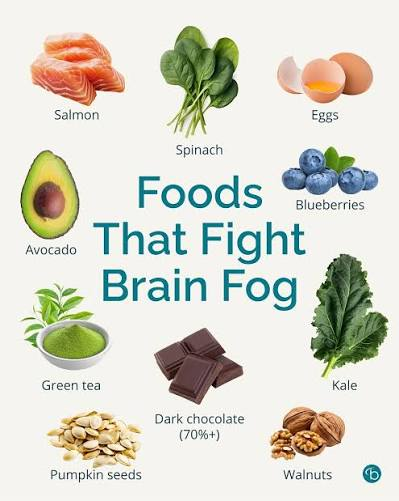
Here are 12 foods that may help reduce brain fog and support better focus.
1. Fatty Fish
Fatty fish such as salmon, sardines, trout, and mackerel are rich in omega-3 fatty acids, especially DHA, which is essential for brain function. Omega-3s support healthy brain cells and may help improve concentration and memory.
Best way to eat: Grill or bake fatty fish two to three times a week.
2. Blueberries
Blueberries are packed with antioxidants that help protect brain cells from oxidative stress. Their natural compounds may support memory, learning, and overall cognitive function.
Best way to eat: Add them to oatmeal, yogurt, or smoothies.
3. Eggs
Eggs are an excellent source of choline, protein, and B vitamins. Choline helps produce acetylcholine, a neurotransmitter involved in memory and learning.
Best way to eat: Boiled, scrambled, or poached for breakfast.
4. Leafy Green Vegetables
Spinach, kale, broccoli, and other leafy greens are rich in vitamins K, C, folate, and antioxidants that support healthy brain function and may help maintain mental sharpness.
Best way to eat: Include them in salads, soups, or stir-fries.
5. Whole Grains
Whole grains like oats, brown rice, quinoa, and whole wheat bread provide a steady release of energy, helping maintain stable blood sugar levels and reducing energy crashes that can contribute to brain fog.
Best way to eat: Choose whole-grain bread or oatmeal for breakfast.
6. Walnuts
Walnuts contain omega-3 fatty acids, vitamin E, and antioxidants that support brain health and may improve memory and concentration.
Best way to eat: Enjoy a small handful as a daily snack.
7. Avocados
Avocados provide healthy monounsaturated fats that support healthy blood circulation, ensuring your brain receives oxygen and nutrients efficiently.
Best way to eat: Spread on whole-grain toast or add to salads.
8. Green Tea
Green tea contains caffeine and L-theanine, a combination that promotes alertness while helping you stay calm and focused. It can be a healthier alternative to sugary energy drinks.
Best way to drink: One or two cups daily without excessive sugar.
9. Pumpkin Seeds
Pumpkin seeds are rich in magnesium, zinc, iron, and antioxidants that support healthy nerve function and cognitive performance.
Best way to eat: Sprinkle them over yogurt, salads, or oatmeal.
10. Oranges
Oranges are high in vitamin C, a powerful antioxidant that helps protect brain cells from damage caused by free radicals.
Best way to eat: Fresh as a snack or with breakfast.
11. Yogurt
Yogurt contains probiotics that support gut health. Since the gut and brain communicate through the gut-brain connection, maintaining a healthy digestive system may contribute to improved mental clarity.
Best way to eat: Plain yogurt topped with fresh fruit and nuts.
12. Water
Although not a food, staying hydrated is essential for brain function. Even mild dehydration can affect concentration, mood, and memory.
Tip: Drink water regularly throughout the day, especially during work, exercise, or hot weather.
Lifestyle Habits That Help Reduce Brain Fog
Nutrition works best when combined with healthy daily habits. Consider these simple strategies:
- Get 7–9 hours of quality sleep each night.
- Exercise regularly to improve blood flow to the brain.
- Manage stress through meditation, deep breathing, or mindfulness.
- Limit highly processed foods and sugary snacks.
- Stay physically active throughout the day.
- Take short breaks during long periods of study or work.
Foods to Limit
Certain foods may contribute to energy crashes or make it harder to stay focused when consumed in excess, including:
- Sugary soft drinks
- Candy and sweets
- Highly processed snacks
- Fast food
- Refined white bread and pastries
- Excessive alcohol
Replacing these with whole, nutrient-rich foods may help support more consistent energy and concentration.
Conclusion
Brain fog can make everyday tasks feel more difficult, but healthy eating habits may help improve mental clarity and focus. Foods such as fatty fish, blueberries, eggs, leafy greens, whole grains, walnuts, avocados, and pumpkin seeds provide nutrients that support brain health and cognitive function.
Along with a balanced diet, getting enough sleep, staying hydrated, exercising regularly, and managing stress can help you feel more alert, focused, and mentally sharp. Making these healthy choices consistently is one of the best ways to support long-term brain health.