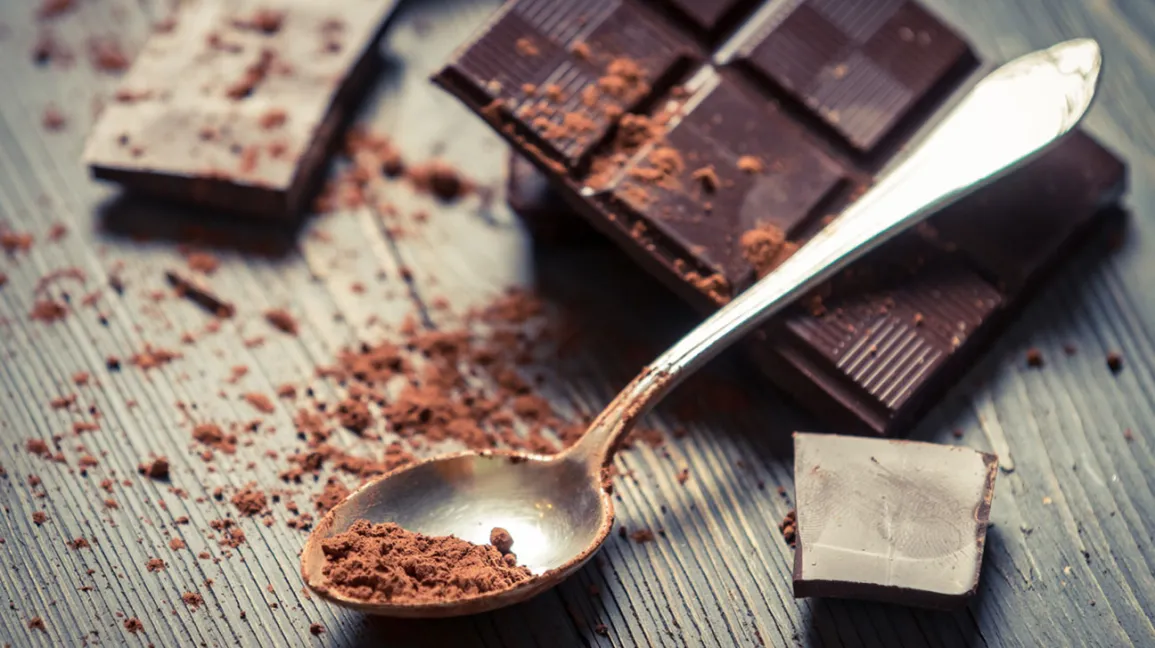
Dark chocolate is more than just a delicious treat—it also contains nutrients that may support brain health. Rich in antioxidants, flavonoids, and natural compounds like caffeine and theobromine, dark chocolate has gained attention for its potential effects on memory, focus, and cognitive function.
While eating dark chocolate alone won’t instantly improve memory or make you smarter, enjoying it in moderation as part of a balanced diet may provide several brain-related benefits.
What Makes Dark Chocolate Good for the Brain?
Dark chocolate is made from cocoa beans, which are naturally rich in flavonoids. These plant compounds act as antioxidants, helping protect the body’s cells, including brain cells, from oxidative stress.
Dark chocolate also contains:
- Flavonoids
- Magnesium
- Iron
- Copper
- Zinc
- Small amounts of caffeine
- Theobromine
Together, these nutrients and compounds may help support healthy brain function.
1. May Improve Memory
Research suggests that the flavonoids found in cocoa may help increase blood flow to the brain. Better circulation allows brain cells to receive more oxygen and nutrients, which can support learning and memory.
Although studies are still ongoing, moderate consumption of dark chocolate may contribute to healthy cognitive performance over time.
2. Supports Concentration and Focus
Dark chocolate contains small amounts of caffeine, which can temporarily increase alertness and improve concentration. It also contains L-theanine-like calming effects are not present, but the combination of caffeine and theobromine may help promote mental alertness without the intense stimulation associated with energy drinks.
This makes dark chocolate a popular snack during study sessions or work breaks.
3. Rich in Powerful Antioxidants
Oxidative stress can damage brain cells over time. The antioxidants found in dark chocolate help neutralize free radicals, supporting overall brain health and healthy aging.
4. May Support Mood
Dark chocolate may encourage the release of chemicals in the brain that are associated with feelings of well-being. While it should not be considered a treatment for mood disorders, enjoying a small amount of dark chocolate can be part of a healthy lifestyle.
5. Contains Important Minerals
Dark chocolate provides several minerals that support overall health, including:
- Magnesium for nerve function
- Iron for oxygen transport
- Zinc for healthy brain cell communication
- Copper for energy production
These nutrients contribute to the normal functioning of the nervous system.
Choosing the Healthiest Dark Chocolate
Not all chocolate products offer the same benefits. For better nutritional value, choose dark chocolate that:
- Contains at least 70% cocoa
- Has lower added sugar
- Contains minimal artificial ingredients
- Is enjoyed in moderate portions
Milk chocolate generally contains less cocoa and more sugar, making it a less nutritious option.
How Much Dark Chocolate Should You Eat?
Moderation is important because dark chocolate is still high in calories and fat.
A serving of 20–30 grams (about one or two small squares) a few times a week is generally enough to enjoy its potential benefits while limiting excess calories and sugar.
Other Foods That Support Memory
For better brain health, pair dark chocolate with other nutrient-rich foods, including:
- Fatty fish
- Blueberries
- Walnuts
- Almonds
- Eggs
- Leafy green vegetables
- Whole grains
- Avocados
Eating a variety of healthy foods provides a broader range of nutrients than relying on any single food.
Healthy Habits for Better Memory
Diet is only one part of maintaining a healthy brain. You can also support memory by:
- Getting 7–9 hours of quality sleep each night
- Exercising regularly
- Staying hydrated
- Managing stress
- Reading books and learning new skills
- Limiting highly processed foods and sugary drinks
These habits work together with good nutrition to support long-term cognitive health.
Conclusion
Dark chocolate can be a tasty addition to a brain-friendly diet. Thanks to its flavonoids, antioxidants, and essential minerals, it may help support memory, concentration, and overall brain health when enjoyed in moderation. However, it should not be viewed as a miracle food or a substitute for a balanced diet.
For the best results, choose high-quality dark chocolate with at least 70% cocoa and combine it with other nutritious foods, regular physical activity, quality sleep, and healthy lifestyle habits. Together, these choices can help keep your brain healthy and functioning at its best.