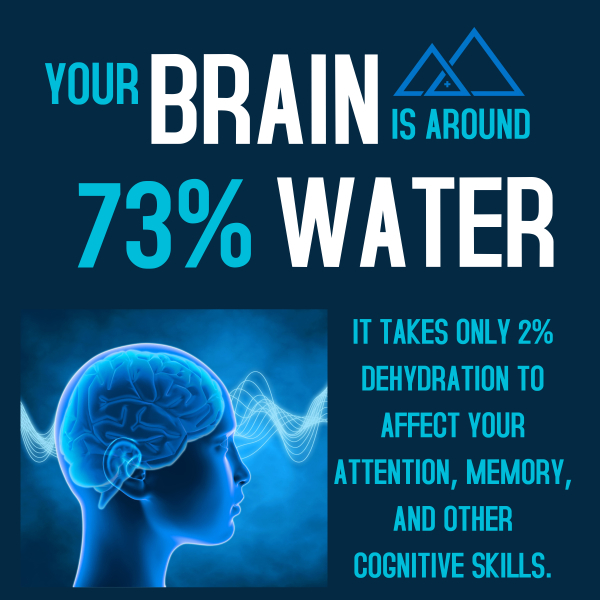
Water is essential for every organ in the body, including the brain. In fact, the human brain is made up of approximately 75% water, making proper hydration crucial for maintaining memory, concentration, mood, and overall cognitive performance. Even mild dehydration can affect how well your brain works, making it harder to focus, solve problems, and stay productive.
The good news is that drinking enough water each day is one of the easiest and most effective ways to support brain health.
Why Does the Brain Need Water?
Your brain depends on water to carry nutrients, remove waste products, regulate body temperature, and support communication between brain cells. Without enough water, these important processes become less efficient, which may affect your mental performance.
Staying hydrated helps your brain:
- Maintain focus and attention
- Support memory and learning
- Improve mental clarity
- Regulate mood
- Reduce fatigue
- Support healthy blood circulation
1. Improves Concentration
Proper hydration helps your brain stay alert throughout the day. When you’re dehydrated, it may become harder to concentrate on work, school, or everyday tasks.
Drinking water regularly can help you stay focused and productive.
2. Supports Memory
Your brain needs enough water to process and store information efficiently. Mild dehydration may temporarily reduce short-term memory and make it more difficult to recall information.
Keeping a water bottle nearby is a simple habit that supports learning and memory.
3. Increases Mental Alertness
Many people mistake dehydration for tiredness. When your body doesn’t have enough water, you may feel sluggish and mentally exhausted.
Drinking water throughout the day helps maintain energy levels and mental alertness without relying on sugary drinks.
4. Helps Deliver Oxygen and Nutrients
Water is a major component of blood, which carries oxygen and nutrients throughout the body. Healthy circulation ensures your brain receives the fuel it needs to function properly.
Better blood flow supports thinking, learning, and decision-making.
5. May Improve Mood
Research suggests that dehydration can contribute to irritability, fatigue, and reduced motivation. Staying hydrated supports overall well-being and may help you feel more refreshed and mentally balanced.
6. Supports Healthy Brain Cell Communication
Brain cells communicate through electrical signals and chemical messengers. Water helps maintain the balance of electrolytes that support these communication processes, allowing your nervous system to function efficiently.
7. Helps Reduce Brain Fog
One of the common causes of brain fog is inadequate hydration. Drinking enough water throughout the day may help improve mental clarity and reduce feelings of confusion or sluggish thinking.
If you often feel mentally tired, drinking a glass of water may be a simple first step before reaching for another cup of coffee.
Signs You May Not Be Drinking Enough Water
Common signs of dehydration include:
- Headaches
- Dry mouth
- Dark-colored urine
- Fatigue
- Difficulty concentrating
- Dizziness
- Feeling unusually thirsty
If you notice these symptoms, increasing your water intake may help.
How Much Water Should You Drink?
Water needs vary depending on age, activity level, climate, and overall health. A general guideline is:
- Men: About 3.7 liters (125 ounces) of fluids per day.
- Women: About 2.7 liters (91 ounces) of fluids per day.
This includes water from beverages and water-rich foods such as fruits and vegetables.
Foods That Help Keep You Hydrated
You can also increase your hydration by eating foods with high water content, including:
- Watermelon
- Cucumbers
- Oranges
- Strawberries
- Tomatoes
- Lettuce
- Celery
- Cantaloupe
These foods provide both water and important vitamins and minerals.
Tips for Staying Hydrated
Make hydration a daily habit with these simple tips:
- Start your morning with a glass of water.
- Carry a reusable water bottle wherever you go.
- Drink water before, during, and after exercise.
- Choose water instead of sugary soft drinks.
- Add lemon, cucumber, or mint for natural flavor.
- Eat more fruits and vegetables with high water content.
- Set reminders if you often forget to drink water.
Other Habits That Support Brain Health
Hydration works best when combined with other healthy lifestyle choices, such as:
- Eating a balanced diet rich in fruits, vegetables, and whole grains.
- Exercising regularly.
- Getting 7–9 hours of quality sleep each night.
- Managing stress through relaxation techniques.
- Challenging your brain with reading, puzzles, or learning new skills.
Together, these habits help keep your brain healthy and functioning efficiently.
Conclusion
Water plays a vital role in supporting brain function. Staying properly hydrated helps improve concentration, memory, mental clarity, mood, and overall cognitive performance. Even mild dehydration can affect how well your brain works, making it important to drink enough water every day.
By combining good hydration with a nutritious diet, regular exercise, quality sleep, and healthy daily habits, you can support your brain’s performance and maintain better mental health for years to come.